
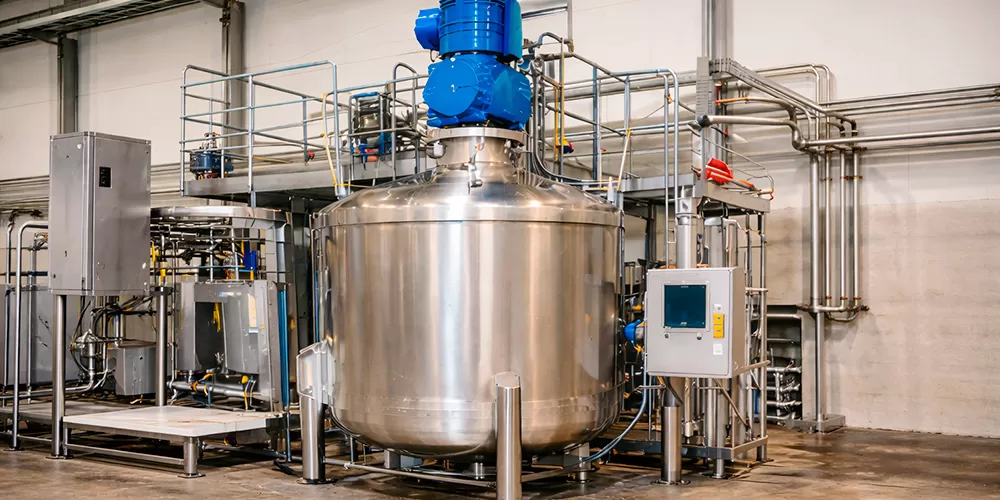
An OEM producing industrial mixers for high-viscosity products was facing recurring issues related to mechanical seal failures.
The application involved demanding but common operating conditions, including high viscosity fluids, temperature variations, intermittent cycles and frequent start and stop phases.
From the OEM’s perspective, the situation was straightforward: the mechanical seal kept failing.
Several attempts were made to solve the issue, including design changes, material upgrades and more robust configurations. However, none of these actions provided a definitive solution, and failures continued to impact maintenance costs, operational continuity and overall machine reliability.
In situations like this, it is useful to take a broader view. Experience shows that mechanical seal performance is not only related to the seal itself, but to how it interacts with real operating conditions.
The key question becomes: how do actual process conditions affect the sealing system?
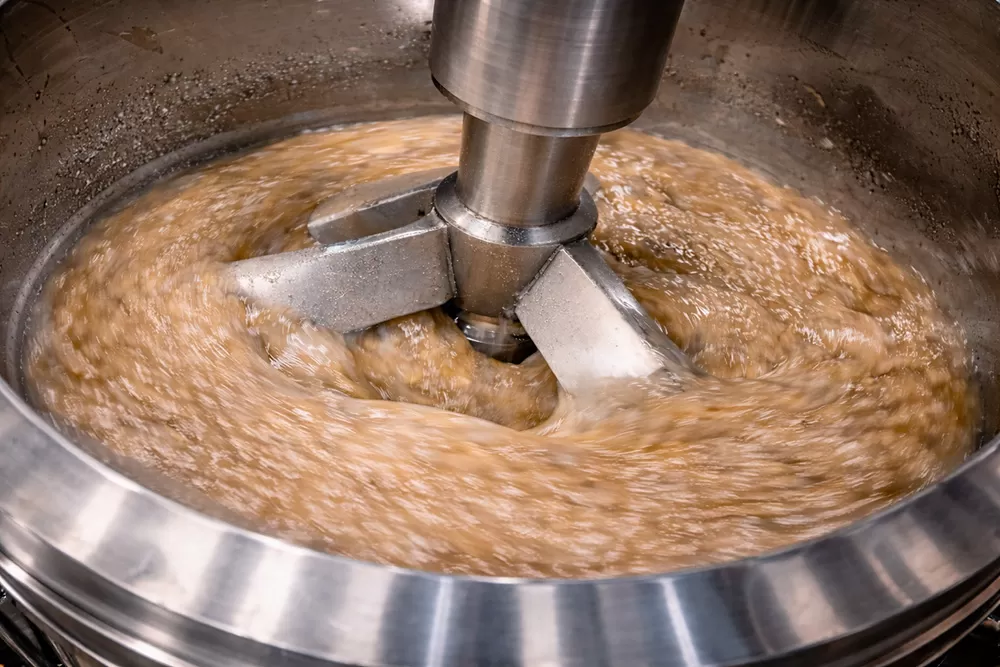
A deeper analysis revealed that seal lubrication conditions were not consistent throughout the operating cycle. During transient phases, the seal was working outside optimal lubrication regimes.
At the same time, temperature fluctuations were affecting clearances and material behavior, while pressure variations were generating peaks during operation.
In addition, the characteristics of the product, particularly its high viscosity, contributed to unstable conditions at the sealing interface.
Overall, the mechanical seal was operating near the limits of its optimal range.
In these situations, it is common for the seal to be the first component to show the issue, not as the root cause, but as the most exposed element of the system.
The solution came from adopting an integrated approach aimed at improving sealing system reliability.
This included optimizing lubrication conditions, stabilizing pressure variations, adjusting operating parameters and adapting the seal configuration to real process conditions.
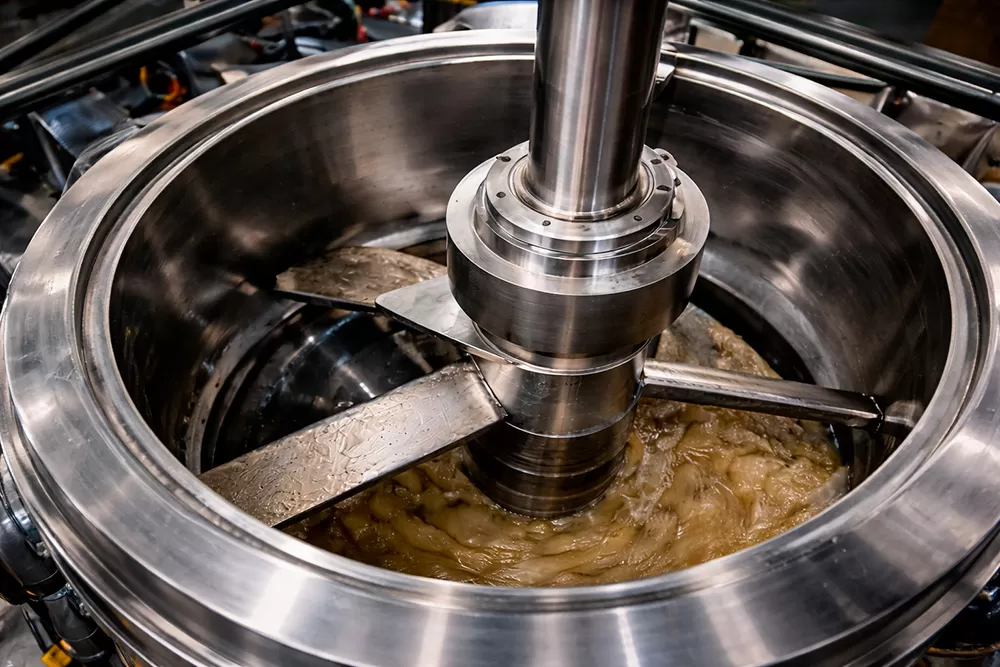
This approach led to a significant improvement in mechanical seal lifetime, eliminating failures under normal operating conditions and reducing maintenance interventions.
Overall machine reliability and process stability were also improved.
This case highlights that mechanical seal failures are often influenced not only by the seal itself, but by operating conditions and their interaction with the system.
The question is not only which seal to select, but how to ensure that the mechanical seal operates under the right conditions.
Call to Action
Looking to improve your mechanical seal reliability?
Let’s analyze your application together.
Share this page


 All case studies